GEORG FISCHER
Dual Channel Transmitters 9950-1
The transmitter is a two channel controller that supports two sensors of same or different types in one instrument. The sensor types supported by the 9950 are Signet Flow, pH/ORP, Conductivity/Resistivity, Salinity, Temperature, Pressure, Level, Dissolved Oxygen, and devices that transmit a 4 to 20 mA signal with the use of the 8058 iGo® Signal Converter. The 9950 includes advanced features such as derived functions, advanced multiple relay modes, and timer based relay functions. Derived function allows for the control of a relay or current loop with the sum, delta (difference), or ratio of two measurements, for example delta pressure and delta temperature. Multiple relay modes allow up to three signals to be used for the control of a single relay. This can be any combination of analog and binary inputs. The timer relay modes allow a relay to be activated on a repeating basis from every minute to once every 30 days. Weekday timer mode allows a relay to be energized on a specific day or days of the week at a specific time. The 3-9950.393-3 Relay Module includes the ability to interface up to four binary inputs. The binary inputs are compatible with either open collector or mechanical contacts. The binary inputs can supply power to the four inputs or accepts powered outputs from external devices. These inputs can be used with level switches, flow switches, pressure switches or other devices. The inputs can be used to directly control the relays of the 9950 or can be used in combination with the measurement readings for advanced control of your process.
The Transmitter supports the following relay modules:
• Four Channel Mechanical Relay Module
• Two Mechanical and Two Solid State Relay Module
• Two Mechanical Relays and Four Binary Inputs Module
The transmitter supports single or dual channel direct conductivity modules for conductivity, resistivity or salinity measurements. A dual channel 4 to 20 mA passive output module is available. This will allow expansion from a base of 2 current loop outputs to a maximum of 6 current loop outputs in a single transmitter. The 9950 Modbus Module allows for remote access to measurements, derived functions, state of current loop outputs and relays over a serial RS485 Modbus automation network.
- One instrument for multiple sensor types
- Two different sensor types can be combined in one instrument
- Configurable display
- Optional Dual Channel, passive 4 to 20 mA Current Loop Module for 2 or 4 additional loop outputs
- Modbus Module for connections to Serial RS485 automation networks



Selected variant
Technical data


Product description
The transmitter is a two channel controller that supports two sensors of same or different types in one instrument. The sensor types supported by the 9950 are Signet Flow, pH/ORP, Conductivity/Resistivity, Salinity, Temperature, Pressure, Level, Dissolved Oxygen, and devices that transmit a 4 to 20 mA signal with the use of the 8058 iGo® Signal Converter. The 9950 includes advanced features such as derived functions, advanced multiple relay modes, and timer based relay functions. Derived function allows for the control of a relay or current loop with the sum, delta (difference), or ratio of two measurements, for example delta pressure and delta temperature. Multiple relay modes allow up to three signals to be used for the control of a single relay. This can be any combination of analog and binary inputs. The timer relay modes allow a relay to be activated on a repeating basis from every minute to once every 30 days. Weekday timer mode allows a relay to be energized on a specific day or days of the week at a specific time. The 3-9950.393-3 Relay Module includes the ability to interface up to four binary inputs. The binary inputs are compatible with either open collector or mechanical contacts. The binary inputs can supply power to the four inputs or accepts powered outputs from external devices. These inputs can be used with level switches, flow switches, pressure switches or other devices. The inputs can be used to directly control the relays of the 9950 or can be used in combination with the measurement readings for advanced control of your process.
The Transmitter supports the following relay modules:
• Four Channel Mechanical Relay Module
• Two Mechanical and Two Solid State Relay Module
• Two Mechanical Relays and Four Binary Inputs Module
The transmitter supports single or dual channel direct conductivity modules for conductivity, resistivity or salinity measurements. A dual channel 4 to 20 mA passive output module is available. This will allow expansion from a base of 2 current loop outputs to a maximum of 6 current loop outputs in a single transmitter. The 9950 Modbus Module allows for remote access to measurements, derived functions, state of current loop outputs and relays over a serial RS485 Modbus automation network.
Add product as a new cart row
You already added this product. Choose whether to increase quantity on the existing row or add the product as a new row.
Related

Water & Wastewater Solutions
OEM Automatics water and wastewater application specialists have gathered all our solutions in one place. Our products are used in everything from small municipal water works to larger regional plants.
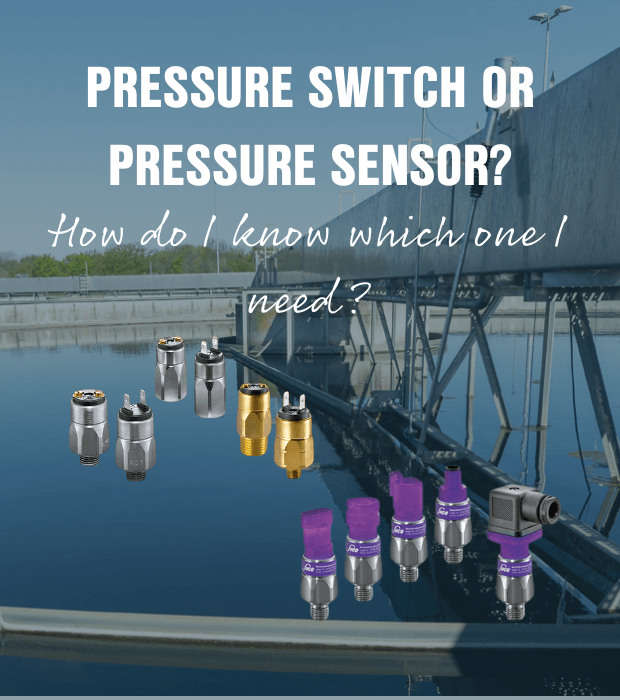
How do I know if I need a pressure switch or a pressure sensor?
When choosing between a pressure switch and a pressure sensor, the key lies in understanding your application. Our Pressure Monitoring experts breaks down the two devices for you.
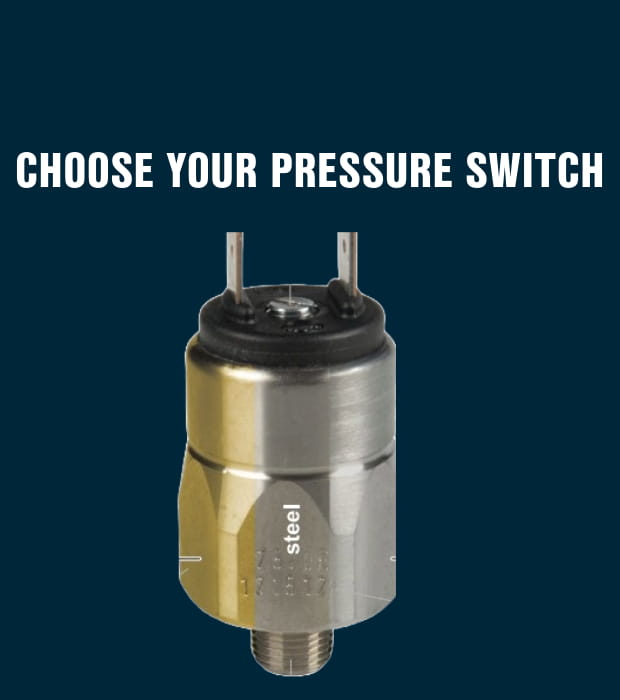
Select the pressure switch for you a step by step guide
When selecting a SUCO mechanical pressure switch, it's essential to consider several key factors...

Mike Howells joins OEM Automatic - Pressure & Flow Team
OEM Automatic is pleased to welcome Mike Howells as Product Manager with the Pressure & Flow Division. With nearly 30 years of experience across the automation, process and valve industries, Mike brings a wealth of technical knowledge and product expertise to the business.
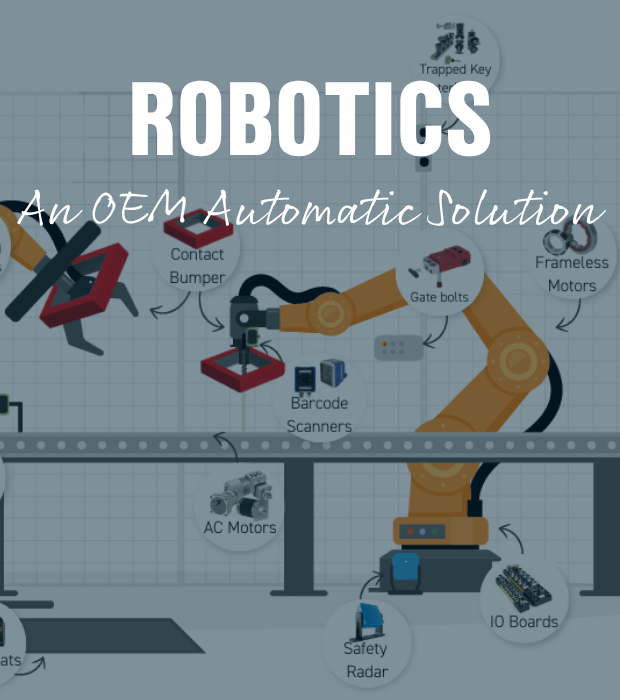
Robotics solutions
Robotics has revolutionised industry, enabling efficiency, higher production capacity and increased safety. For a robot solution to function optimally, the right components are required.
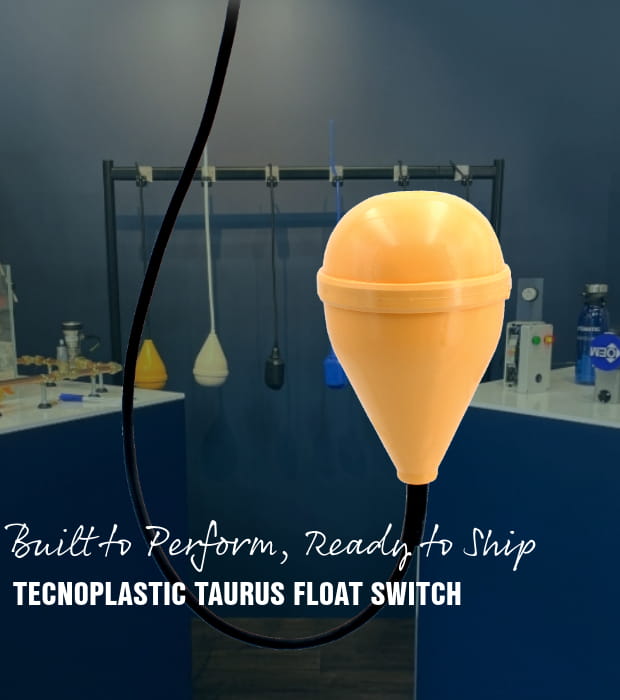
Float switches - built to perform
Whether you're looking to upgrade your current solution or secure a more robust float switch for your next project, Taurus delivers performance you can count on.

