APLISENS
Aplisens - PRE-28 Smart differential pressure transmitter
The Aplisens PRE-28 Smart differentail pressure sensor is applicable to the measurment of the pressure, underpressure and absolute pressure of gases, vapours and liquids.
This pressure sensor comes with many extra options such as ATEX, DNV marine certificate, housing options, process connections and materials making this sensor very versatile.
Through the data interchange (HART) with the sensor you can:
- Identify the transmitter
- Configure the ouput parameters as below:
Measurement units and the values of the start and end points of the range
Damping time constant
Conversion characteristic (inversion, user's non-linear characteristics)
- Read the currently measured hydrostatic pressure value, output current and percenatge of measuring range
- Force an output current with a set value
- Calibrate the transmitter in relation to a model pressure
Application examples:
- Oil & Gas
- Process
- Chemical
- Water management
- Nine standard pressure ranges
- HART protocol
- ATEX & DNV versions
- 0.1% accuracy



Selected variant
Technical data
| Connection | 1/4" NPT-F |
|---|---|
| Deviation max | 0,1 % |
| Electrical connection | DIN EN 175301-803-A |
| IP class | IP65 |
| Manufacturer part no. | PRE-28.Smart/0-70bar/PD/PN |
| Material of body | Stainless steel AISI 304 |
| Material of wetted parts | Stainless steel 316L |
| Pressure range max | 70 bar |
| Pressure range min | 0 bar |
| Signal type | 4-20 mA / Hart |
|---|---|
| Static pressure | 70 bar |
| Supply voltage dc max | 55 V DC |
| Supply voltage dc min | 7.5 V DC |
| Temperature ambient from | -25 °C |
| Temperature ambient to | 85 °C |
| Temperature of media from | -25 °C |
| Temperature of media to | 120 °C |

Product description
The Aplisens PRE-28 Smart differentail pressure sensor is applicable to the measurment of the pressure, underpressure and absolute pressure of gases, vapours and liquids.
This pressure sensor comes with many extra options such as ATEX, DNV marine certificate, housing options, process connections and materials making this sensor very versatile.
Through the data interchange (HART) with the sensor you can:
- Identify the transmitter
- Configure the ouput parameters as below:
Measurement units and the values of the start and end points of the range
Damping time constant
Conversion characteristic (inversion, user's non-linear characteristics)
- Read the currently measured hydrostatic pressure value, output current and percenatge of measuring range
- Force an output current with a set value
- Calibrate the transmitter in relation to a model pressure
Application examples:
- Oil & Gas
- Process
- Chemical
- Water management
Ordering information
Please refer to the datasheet further down the page under Downloads.
Add product as a new cart row
You already added this product. Choose whether to increase quantity on the existing row or add the product as a new row.
Related
Water & Wastewater Solutions
OEM Automatics water and wastewater application specialists have gathered all our solutions in one place. Our products are used in everything from small municipal water works to larger regional plants.
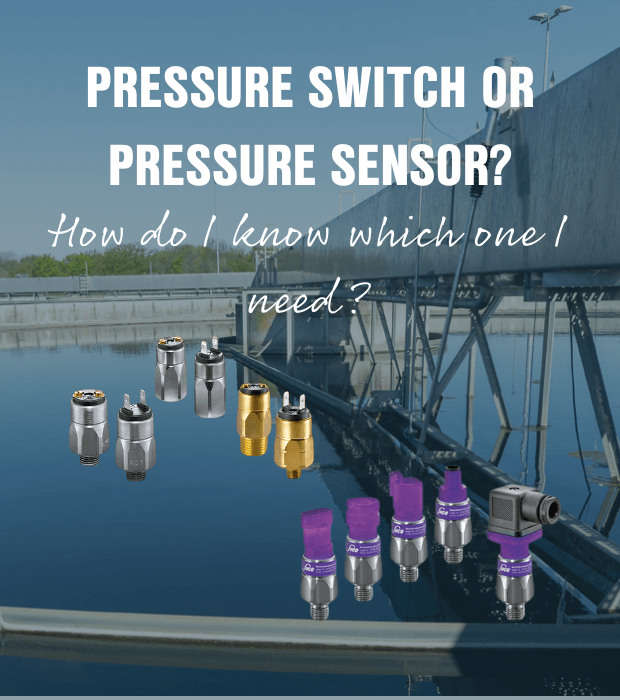
How do I know if I need a pressure switch or a pressure sensor?
When choosing between a pressure switch and a pressure sensor, the key lies in understanding your application. Our Pressure Monitoring experts breaks down the two devices for you.
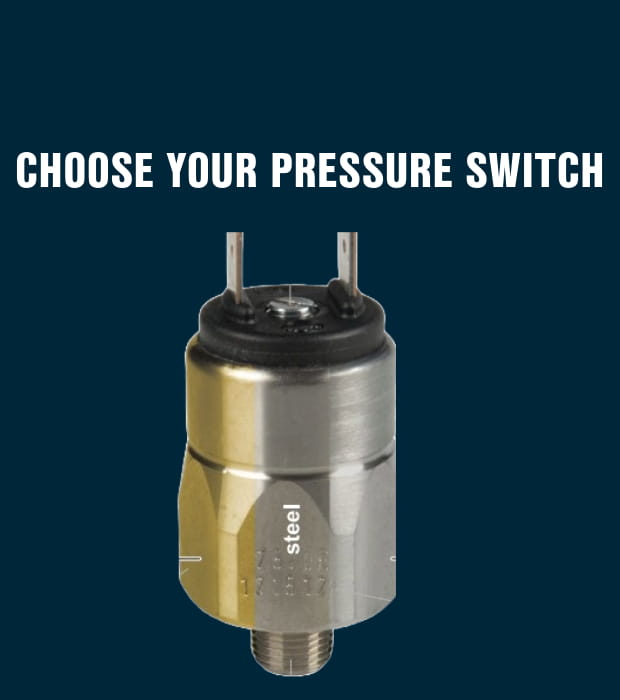
Select the pressure switch for you a step by step guide
When selecting a SUCO mechanical pressure switch, it's essential to consider several key factors...

Robotics solutions
Robotics has revolutionised industry, enabling efficiency, higher production capacity and increased safety. For a robot solution to function optimally, the right components are required.
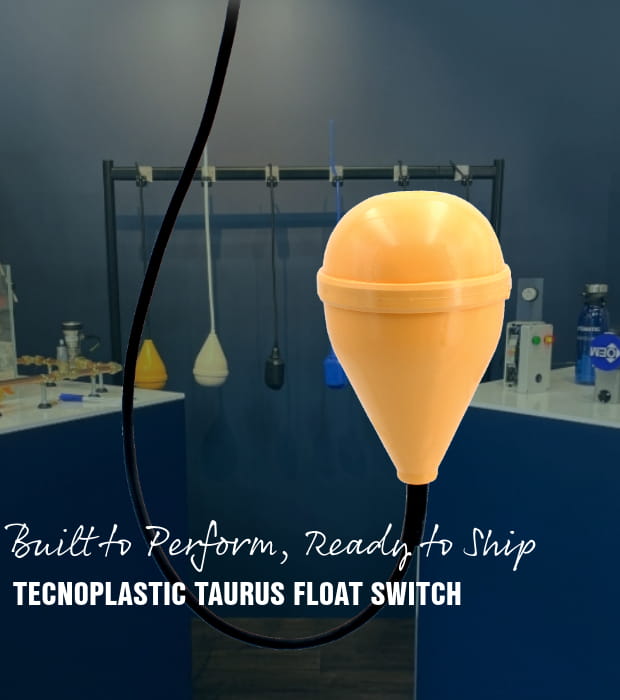
Float switches - built to perform
Whether you're looking to upgrade your current solution or secure a more robust float switch for your next project, Taurus delivers performance you can count on.
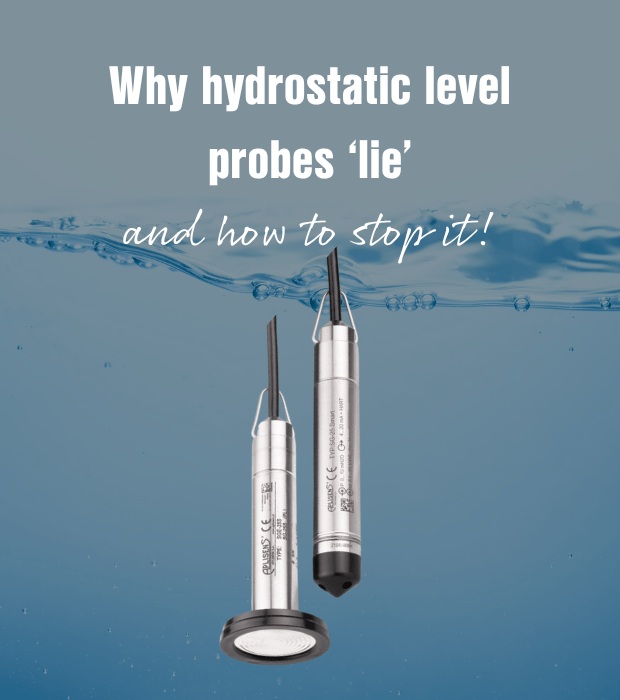
Why hydrostatic level probes lie and how to stop it
In this article, our application experts explain why hydrostatic level probes appear to lie, the most common failures, and how OEM, working with Aplisens, can help engineers prevent them.
